
This article is for informational purposes only and does not constitute medical advice. Always consult a healthcare provider for diagnosis and treatment.
Medically reviewed by Dr. Amal Obaid-Schmid, MD | Triple Board-Certified Physician
Last updated: March 2025
In this Article
✅ Stress is a natural response to challenges, but prolonged stress can harm your health.
💪 Exercise can boost endorphins, reduce stress’s negative effects, and improve mood and sleep.
🧘 Mindfulness helps reduce stress, improve focus, and increase self-awareness by focusing on the present moment.
😊 Social support provides a sense of belonging and emotional support during challenging times.
🤔 Understanding your stress triggers and how your body reacts to them is crucial for effective management.
❤️🩹 Seek professional help if stress becomes overwhelming or significantly impacts your life.
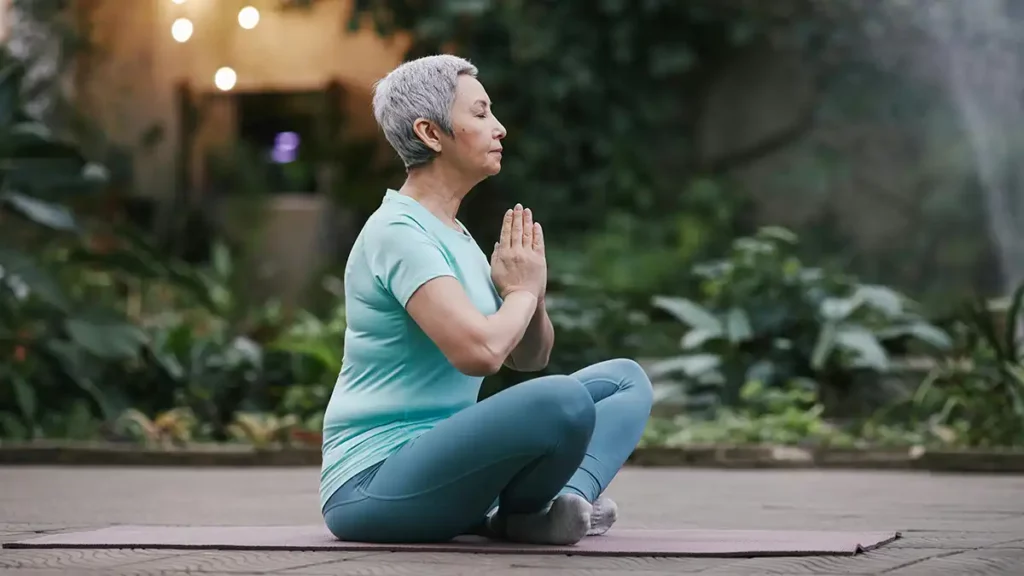
Stress is an inevitable part of modern life, impacting our mental and physical well-being. It’s our body’s natural response to challenges and demands1. In small doses, stress can be beneficial, helping us meet deadlines or avoid danger. However, prolonged stress can be detrimental to our health1. This article provides a comprehensive guide to understanding stress, recognizing its signs, and implementing effective coping mechanisms.
Assessing Stress Levels
Recognizing and accurately assessing your stress level is crucial for effective management. Stress involves two key components: stress triggers, the factors causing stress, and stress response, how your mind and body react to these triggers on emotional, biological, and cognitive levels3. Everyone responds to triggers differently, so understanding your unique response is essential3. There are various methods for measuring stress, each with its own strengths and limitations.
Questionnaires
Questionnaires offer a structured way to assess your perception of stress and its impact on your well-being. Here are some commonly used questionnaires:
- General Health Questionnaire (GHQ-28): This screening tool helps detect psychological distress, including stress-related symptoms like anxiety, sleeplessness, social dysfunction and depression4. It can be a valuable tool for identifying individuals who may benefit from further assessment and support.
- Perceived Stress Scale (PSS): This popular tool measures your perceived stress over the last months3. It is a series of ten questions to evaluate how unpredictable, uncontrollable, and/or overloaded you find your life. Higher scores indicate higher perceived stress. You can find a copy of the PSS online in PDF format3.
- Trier Inventory for Chronic Stress (TICS): This inventory assesses chronic stress experienced over the past three months4. It covers nine domains, including work overload, social overload, and chronic worrying, providing a detailed picture of your stress experience.
- Depression Anxiety Stress Scales (DASS): This tool measures the severity of symptoms related to depression, anxiety, and stress4. It helps differentiate between these emotional states, providing a clearer understanding of your emotional well-being.
- Stress Overload Scale (SOS): This scale focuses on situations where stress overwhelms your coping mechanisms6. It helps identify when stress becomes excessive and starts to negatively impact your ability to function effectively. A shorter 10-item version is also available6.
- Other Questionnaires: Several other questionnaires are available, including those specifically designed for students or workplaces5. These questionnaires may include questions about job satisfaction, work-life balance, academic pressures, and social support. You can find examples of stress questionnaires online or by consulting with a mental health professional7.
Physiological Measures
Physiological measures provide objective data about your body’s stress response. These measures can be valuable for understanding the physical impact of stress and tracking your progress in stress management techniques.
- Heart Rate Variability (HRV): HRV analysis measures the variation in time between consecutive heartbeats3. Lower HRV is associated with higher stress levels and poor cardiovascular health, while higher HRV indicates better stress resilience and improved autonomic nervous system resilience3. You can check your HRV with an electrocardiogram or wearable devices like smartwatches or chest strap monitors3.
- Hormonal Testing: Cortisol, a stress hormone, plays a crucial role in the body’s stress response3. When you’re stressed, your body produces cortisol to help you cope with the situation. However, prolonged elevated cortisol levels can have negative health consequences. Lab tests or home testing kits can measure cortisol levels in your blood or urine3.
- Galvanic Skin Response (GSR): GSR measures changes in skin conductivity, which is influenced by sweat gland activity8. Increased sweat gland activity is a common physiological response to stress, and GSR provides a way to quantify this response.
- Electroencephalogram (EEG): EEG records brainwave patterns, revealing how stress affects your brain activity and cognitive processes3. It can show how stress alters your mental state and cognitive abilities, such as decision-making and problem-solving.
Journaling
Journaling can be a powerful tool for understanding and managing stress9. It provides a safe space to express your thoughts and feelings without judgment. By writing down your experiences, you can:
- Identify Stressors and Triggers: Journaling helps you identify specific situations, events, or thoughts that trigger your stress response11. This awareness can help you anticipate and manage stressful situations more effectively.
- Track Stress Levels and Symptoms Over Time: By regularly journaling, you can track your stress levels and any associated physical or emotional symptoms10. This can help you identify patterns and trends in your stress response, providing valuable insights into your overall well-being.
- Challenge Negative Thoughts and Promote Positive Self-Talk: Journaling allows you to examine your thoughts and beliefs about stressful situations11. You can use this space to challenge negative thoughts and replace them with more positive and constructive self-talk.
- Gain Control of Your Emotions and Improve Your Mental Health: Journaling can help you process your emotions and gain a better understanding of how stress affects your mental health12. This increased self-awareness can empower you to manage your emotions more effectively and improve your overall well-being.
Physical Symptoms
Pay attention to your body’s signals, as stress can manifest in various physical symptoms13. Recognizing these physical signs can help you identify stress early on and take steps to manage it before it becomes overwhelming. Some common physical signs of stress include:
- Headaches or dizziness: Stress can cause tension headaches or migraines, as well as feelings of dizziness or lightheadedness15.
- Muscle tension or pain: Stress often leads to muscle tension, particularly in the neck, shoulders, and back15. This can result in muscle aches, stiffness, and discomfort.
- Stomach problems: Stress can affect your digestive system, leading to symptoms like stomach aches, nausea, indigestion, diarrhea, or constipation15.
- Chest pain or a faster heartbeat: Stress can cause your heart to race or feel like it’s pounding in your chest15. This can be accompanied by chest pain or discomfort.
- Sleeping problems: Stress can interfere with your sleep, making it difficult to fall asleep or stay asleep16. You may also experience nightmares or wake up feeling tired and unrested.
- Fatigue: Stress can drain your energy, leaving you feeling tired and exhausted, even if you’ve had enough sleep16.
- Changes in appetite: Stress can affect your appetite, leading to either an increase or decrease in your desire to eat17. You may also experience cravings for unhealthy foods.
- Stress rash: Stress can trigger skin reactions, often appearing as pink or discolored, raised bumps called hives14. These hives can itch, burn, and even hurt. You can try treating them with an antihistamine14.
When to Seek Professional Help
While self-help techniques and coping mechanisms can be effective for managing stress, there are times when professional help is necessary. It’s important to recognize when your stress becomes overwhelming or starts to significantly impact your life. Consider seeking professional support if:
- You feel overwhelmed and unable to cope. 18 If stress is consistently interfering with your ability to function in your daily life, it’s essential to reach out for help.
- Your stress is interfering with your daily life, work, or relationships. 19 When stress starts to negatively affect your work performance, your relationships with others, or your ability to engage in activities you enjoy, professional help can provide valuable support and guidance.
- You experience physical symptoms like chest pain, rapid heartbeat, or difficulty breathing. 21 These physical symptoms can be indicative of a more serious stress-related condition and require medical attention.
- You have thoughts of harming yourself or others. 19 If you’re experiencing suicidal thoughts or thoughts of harming others, it’s crucial to seek immediate professional help.
- Your stress is causing significant changes in your sleep or appetite. 22 These changes can be signs of an underlying mental health condition, such as anxiety or depression, and require professional assessment and treatment.
- Your stress is affecting your job performance, leading to increased errors and hazards. 22 This is particularly important for individuals in professions where safety is critical, such as healthcare providers, drivers, or machinery operators.
- Your stress is impacting your central nervous system and other bodily systems. 22 Chronic stress can have cascading effects on various bodily systems, increasing the risk of health problems.
- You’re experiencing social anxiety related to attachment issues, fear of confrontation, or poor boundaries. 22 Professional help can assist in addressing these underlying issues and developing healthier social skills.
- You’re experiencing anhedonia, a feeling of disinterest and emptiness. 22 This is a common symptom of depression and grief, and therapy can help you understand and address its underlying causes.
- It’s important to consider the context around a mental health challenge. 21 Factors such as the severity of the challenge, its duration, and its impact on your life should be taken into account when deciding to seek professional help.
Coping Mechanisms for Dealing with Stress
Once you have a better understanding of your stress levels and potential triggers, you can start implementing coping mechanisms to manage and reduce stress. Here are some effective strategies:
Exercise
Exercise is a powerful stress reliever with numerous benefits23. It:
- Releases endorphins: Physical activity may help bump up the production of your brain’s feel-good neurotransmitters, called endorphins24. These endorphins have mood-boosting effects, helping to alleviate stress and improve your overall sense of well-being.
- Reduces the negative effects of stress on the body: Exercise can provide stress relief for your body while imitating effects of stress, such as the flight or fight response, and helping your body and its systems practice working together through those effects24. This can lead to positive effects in your body, including your cardiovascular, digestive, and immune systems, by helping protect your body from harmful effects of stress.
- Provides a distraction from stressors: Engaging in physical activity can take your mind off your worries and help you focus on the present moment24. This can provide a much-needed break from stressful thoughts and situations.
- Improves mood and sleep: Regular exercise can increase self-confidence, improve your mood, help you relax, and lower symptoms of mild depression and anxiety24. Exercise can also improve your sleep, which is often disrupted by stress, depression, and anxiety.
Choose activities you enjoy, such as walking, jogging, swimming, dancing, or yoga24. Aim for at least 30 minutes of moderate-intensity exercise most days of the week24.
Mindfulness
Mindfulness involves paying attention to the present moment without judgment27. It’s about bringing an open, accepting, and discerning attention to everything you do27. Mindfulness can help you:
- Reduce stress and anxiety: By focusing on the present moment, mindfulness helps you disengage from stressful thoughts and worries about the past or future27. This can lead to a sense of calm and relaxation, reducing overall stress levels.
- Improve focus and attention: Mindfulness practices can strengthen your ability to focus and pay attention27. This can be particularly helpful in managing stress, as it allows you to better direct your attention away from negative thoughts and distractions.
- Increase self-awareness: Mindfulness helps you become more aware of your thoughts, feelings, and bodily sensations29. This increased self-awareness can help you identify stress triggers and develop more effective coping strategies.
- Change brain structures and activity: Psychological scientists have found that mindfulness influences two different stress pathways in the brain, changing brain structures and activity in regions associated with attention and emotion regulation28.
- Develop a more skillful mind: Mindfulness can help you develop a more skillful mind and a sense of focus and well-being that can help you better maintain control and awareness of your thoughts, emotions, and presence in the moment29.
- Reduce the impact of stressful events: Journaling can support coping and reduce the impact of stressful events – potentially avoiding burnout and chronic anxiety30.
- Accept your feelings: Research suggests that accepting our feelings is linked to better psychological health and positive therapeutic outcomes, including improved moods and reduced anxiety31.
You can practice mindfulness through various exercises, such as:
- Body scan meditation: Lie down and systematically bring your attention to different parts of your body, noticing any sensations or tension27.
- Sitting meditation: Sit comfortably and focus on your breath or a mantra, gently bringing your attention back to your focus whenever your mind wanders27.
- Walking meditation: Walk slowly and mindfully, paying attention to the sensations of walking and your surroundings27.
- Mindful eating: Savor each bite and pay attention to the flavors, textures, and smells of your food32.
Social Support
Connecting with others is crucial for stress management23. Social support can provide a sense of belonging, security, and emotional support during challenging times33. It can also offer a distraction from stressors and help you gain a new perspective on your situation35.
There are different types of social support:
- Emotional social support: This involves affirming our worth and showing concern about how we feel33. It provides validation and reassurance during stressful times.
- Informational social support: This happens when someone shares advice or information to help us cope with a stressful situation33.
- Tangible social support: This includes sharing resources, either material or financial33.
- Belonging social support: This refers to the feeling of being connected to a group or community33.
Make time for social activities, nurture your relationships, and don’t hesitate to reach out to friends and family when you need support34.
Other Coping Mechanisms
In addition to exercise, mindfulness, and social support, there are various other coping mechanisms that can help you manage stress:
- Take control: If you feel like you’re losing control over a situation, try to identify areas where you can take action23. This can be empowering and help you find solutions that work for you.
- Have some “me time”: Make time for activities you enjoy, such as hobbies, relaxation, or spending time in nature23. This can help you recharge and de-stress.
- Challenge yourself: Setting goals and challenges can help build confidence and resilience, which can help you deal with stress23.
- Avoid unhealthy habits: Don’t rely on alcohol, smoking, caffeine, or other unhealthy habits as coping mechanisms23. These habits can harm your health and increase your stress levels in the long run.
- Help other people: Helping others can increase your resilience and provide a sense of purpose23.
- Work smarter, not harder: Prioritize your tasks and focus on the most important ones23.
- Maintain emotional composure or express distressing emotions: Find healthy ways to express your emotions, whether it’s through talking to someone you trust, journaling, or engaging in creative activities37.
- Maintain emotionally supportive relationships: Nurture your relationships with people who provide emotional support and understanding37.
- Be flexible in your coping strategies: Different situations may require different coping mechanisms37. Be willing to adapt your strategies as needed.
- Biofeedback: This technique can help you learn to control your physiological responses to stress, such as heart rate and muscle tension7.
- Vocal toning: This involves sitting up straight and making “mmm” sounds, which can help to release tension and promote relaxation34.
- Squeezing a stress ball: This can provide a physical outlet for stress and help to release tension in your hands and arms34.
- Sipping green tea: Green tea contains L-theanine, an amino acid that has been shown to have calming effects34.
Understanding Stress
Understanding the different types of stress and their potential causes can help you identify the source of your stress and develop appropriate coping strategies.
Types of Stress
- Acute stress: This is short-term stress that arises from immediate challenges or demands1. It’s a normal response that helps you manage difficult situations. For example, you might experience acute stress when you have to give a presentation or when you’re facing a deadline.
- Chronic stress: This is long-term stress that persists for weeks or months1. It can have a detrimental impact on your health if not managed effectively. Chronic stress can stem from various sources, such as financial problems, relationship issues, or work-related stress. It can increase your risk for health problems, including high blood pressure, heart disease, diabetes, and obesity1.
- Episodic acute stress: This refers to frequent experiences of acute stress14. People with this type of stress often feel overwhelmed and may overreact to situations. They may also experience physical symptoms like tension headaches, migraines, hypertension, and chest pain14.
- Tolerable stress: This refers to more severe, longer-lasting stress responses that activate the body’s alert systems to a greater degree38. Examples include the loss of a loved one, a natural disaster, or a frightening injury. If the stress activation is time-limited and buffered by relationships with adults who help the child adapt, the brain and other organs recover from what might otherwise be damaging effects38.
Causes of Stress
Stress can stem from various sources, and these sources can vary significantly from person to person. Some common causes of stress include:
| Cause of Stress | Examples |
| Major life changes | Marriage, divorce, new job, moving, having a baby 15 |
| Work or school | Job pressure, deadlines, exams, difficult colleagues 39 |
| Relationships | Family conflicts, relationship problems 41 |
| Financial problems | Debt, unexpected expenses 41 |
| Health concerns | Illness, injury, chronic conditions 41 |
| Daily hassles | Traffic jams, long lines, unexpected problems 14 |
| Social and economic circumstances | Poverty, lack of social support, discrimination 39 |
| Lack of work, activities, or change in life | Boredom, lack of stimulation 40 |
| Community-wide or global events | Pandemics, natural disasters, social unrest 40 |
| Positive life changes | Moving to a bigger house, gaining a job promotion, going on holiday 39 |
It’s important to note that stress can also affect people differently based on their background and individual circumstances. For example, people with a lot of debt or financial insecurity are more likely to be stressed about money, while people from minority ethnic groups or who are LGBTQIA+ are more likely to be stressed about prejudice or discrimination39. People with disabilities or long-term health conditions are more likely to be stressed about their health or the stigma associated with them39. Additionally, poor access to services, such as medical care, green spaces, or transport, can also contribute to stress levels40.
Guided Meditations and Mindfulness Exercises
Guided meditations can be a helpful tool for practicing mindfulness and reducing stress. They provide a structured approach to meditation, often with soothing music or nature sounds, making it easier to focus and relax. You can find guided meditations online, through apps, or by attending classes30.
Some common features of meditation include:
- Focused attention: This involves concentrating on a specific object, image, mantra, or your breath30.
- Relaxed breathing: This technique involves deep, even-paced breathing to slow your breathing, take in more oxygen, and reduce the use of shoulder, neck, and upper chest muscles30.
- A quiet setting: A quiet environment can help minimize distractions and make it easier to focus on your meditation practice30.
Some popular guided meditations for stress relief include:
- Breathing meditations: Focus on your breath and observe its natural rhythm43. This can help to calm your mind and body.
- Body scan meditations: Bring your attention to different parts of your body, noticing any sensations or tension44. This can help you become more aware of your body and release any physical tension you may be holding.
- Visualization meditations: Imagine calming scenes or scenarios to promote relaxation45. This can help to reduce stress and anxiety by creating a sense of peace and tranquility.
- Hourglass meditation: This three-stage process involves being aware of sensations in your body created by your environment, observing the natural movements in your stomach created by the breath, and noticing what you experience within the whole body46.
When practicing mindfulness, it’s important to be consistent and disciplined29. The effects of mindfulness are often better felt over time, and it requires practice to train the wandering mind to keep coming back to the present moment without judgment. Beginners may face challenges such as falling asleep, feeling uncomfortable, struggling with difficult thoughts or emotions, and becoming bored or distracted29. However, with continued practice, mindfulness can become more effortless and lead to significant improvements in your ability to manage stress and improve your overall well-being.
It’s also important to maintain good posture during meditation32. Your spine should be upright, your shoulders relaxed, your hands supported, and your head balanced evenly. This can help to promote relaxation and prevent discomfort during your meditation practice.
For those interested in loving-kindness meditation, cultivating emotional awareness can be a helpful preparation32. This involves paying attention to your emotions and thoughts without judgment, fostering self-compassion and understanding.
In addition to guided meditations, you can also explore other forms of mindfulness exercises, such as prayer30. Prayer can be a powerful tool for connecting with your inner self, finding comfort, and reducing stress.
Conclusion
Stress is an inevitable part of life, but it doesn’t have to control you. By understanding how to assess your stress levels, recognizing your unique triggers, and implementing effective coping mechanisms, you can manage stress and improve your overall well-being. Remember that stress affects everyone differently, and finding the right combination of strategies that work for you is essential.
Prioritize self-care, nurture your relationships, and don’t hesitate to seek professional help when needed. With the right tools and strategies, you can navigate stressful situations with greater resilience and live a healthier, more fulfilling life.
Works cited
Stress and your health – UF Health, accessed February 7, 2025, https://ufhealth.org/conditions-and-treatments/stress-and-your-health
Stress and your health: MedlinePlus Medical Encyclopedia, accessed February 7, 2025, https://medlineplus.gov/ency/article/003211.htm
How Can You Measure Stress? – Healthline, accessed February 7, 2025, https://www.healthline.com/health/stress/stress-measurement
Checking Your Stress Level: How to Measure It Yourself and When to Seek Help – AsiaMD, accessed February 7, 2025, https://asiamd.com/2024/04/02/checking-your-stress-level-how-to-measure-it-yourself-and-when-to-seek-help/
Top 60+ Stress Survey Questions You Need to Ask in 2024, accessed February 7, 2025, https://surveysparrow.com/blog/stress-survey-questions/
Measurement of Human Stress: A Multidimensional Approach – NCBI Bookshelf, accessed February 7, 2025, https://www.ncbi.nlm.nih.gov/books/NBK589926/
STRESS QUESTIONAIRE, accessed February 7, 2025, https://www.suu.edu/caps/documents/stressquestionnaire.pdf
How to Measure Stress – iMotions, accessed February 7, 2025, https://imotions.com/blog/insights/how-to-measure-stress/
Looking for a way to help reduce stress, anxiety? Journaling might be worth a try, accessed February 7, 2025, https://www.purdue.edu/newsroom/archive/purduetoday/releases/2022/Q3/looking-for-a-way-to-help-reduce-stress,-anxiety-journaling-might-be-worth-a-try.html
Why Journaling Can Help Reduce Stress — and How to Get Started, accessed February 7, 2025, https://nationaleczema.org/blog/journaling-can-relieve-stress-for-eczema/
stress-journaling.pdf, accessed February 7, 2025, https://socialwork.buffalo.edu/content/dam/socialwork/home/self-care-kit/exercises/stress-journaling.pdf
Journaling for Emotional Wellness – University of Rochester Medical Center, accessed February 7, 2025, https://www.urmc.rochester.edu/encyclopedia/content?ContentTypeID=1&ContentID=4552
my.clevelandclinic.org, accessed February 7, 2025, [https://my.clevelandclinic.org/health/diseases/11874-stress#:
:text=Physical symptoms&text=Chest pain or a feeling,High blood pressure (hypertension).](https://my.clevelandclinic.org/health/diseases/11874-stress#::text=Physical symptoms&text=Chest pain or a feeling,High blood pressure (hypertension).)Stress: What It Is, Symptoms, Management & Prevention – Cleveland Clinic, accessed February 7, 2025, https://my.clevelandclinic.org/health/diseases/11874-stress
Get help with stress – NHS, accessed February 7, 2025, https://www.nhs.uk/mental-health/feelings-symptoms-behaviours/feelings-and-symptoms/stress/
Work-related stress – Better Health Channel, accessed February 7, 2025, https://www.betterhealth.vic.gov.au/health/healthyliving/work-related-stress
Signs and symptoms of stress – Mind, accessed February 7, 2025, https://www.mind.org.uk/information-support/types-of-mental-health-problems/stress/signs-and-symptoms-of-stress/
www.nimh.nih.gov, accessed February 7, 2025, https://www.nimh.nih.gov/health/publications/so-stressed-out-fact-sheet#:~:text=If you are struggling to,a combination of the two.
Mental health: When to seek professional support | UNICEF North Macedonia, accessed February 7, 2025, https://www.unicef.org/northmacedonia/stories/mental-health-when-seek-professional-support
When Does Anxiety Warrant Professional Help? – Plymouth Psych Group, accessed February 7, 2025, https://www.plymouthpsychgroup.com/blog/when-does-anxiety-warrant-professional-help
Mental Health Warning Signs and When to Ask for Help – The Jed Foundation, accessed February 7, 2025, https://jedfoundation.org/resource/mental-health-warning-signs-and-when-to-ask-for-help/
8 Signs It’s Time To Seek Professional Support – ThoughtFull World, accessed February 7, 2025, https://www.thoughtfull.world/resources/blog/8-signs-its-time-to-seek-professional-support
10 stress busters – NHS, accessed February 7, 2025, https://www.nhs.uk/mental-health/self-help/guides-tools-and-activities/tips-to-reduce-stress/
Exercise and stress: Get moving to manage stress – Mayo Clinic, accessed February 7, 2025, https://www.mayoclinic.org/healthy-lifestyle/stress-management/in-depth/exercise-and-stress/art-20044469
The Stress-Relief Secret – How Exercise Can Transform Your Life – OakBend Medical Center, accessed February 7, 2025, https://oakbendmedcenter.org/2023/11/01/the-stress-relief-secret-how-exercise-can-transform-your-life/
7 physical activities to reduce stress (and 7 to avoid!) | Xyla Services, accessed February 7, 2025, https://xylaservices.com/professionals/news/7-physical-activities-to-reduce-stress-and-7-to-avoid/
Mindfulness exercises – Mayo Clinic, accessed February 7, 2025, https://www.mayoclinic.org/healthy-lifestyle/consumer-health/in-depth/mindfulness-exercises/art-20046356
Mindfulness meditation: A research-proven way to reduce stress, accessed February 7, 2025, https://www.apa.org/topics/mindfulness/meditation
Less stress, clearer thoughts with mindfulness meditation – Harvard Gazette, accessed February 7, 2025, https://news.harvard.edu/gazette/story/2018/04/less-stress-clearer-thoughts-with-mindfulness-meditation/
Meditation: A simple, fast way to reduce stress – Mayo Clinic, accessed February 7, 2025, https://www.mayoclinic.org/tests-procedures/meditation/in-depth/meditation/art-20045858
5 Benefits of Journaling for Mental Health – PositivePsychology.com, accessed February 7, 2025, https://positivepsychology.com/benefits-of-journaling/
Mindfulness-Based Stress Reduction: The Ultimate MBSR Guide – PositivePsychology.com, accessed February 7, 2025, https://positivepsychology.com/mindfulness-based-stress-reduction-mbsr/
Why Social Support Helps Reduce Stress – Verywell Mind, accessed February 7, 2025, https://www.verywellmind.com/stress-and-social-support-research-3144460
Socialization And Altruistic Acts As Stress Relief – MentalHealth.com, accessed February 7, 2025, https://www.mentalhealth.com/library/socialization-and-altruistic-acts-as-stress-relief
Stress relievers: Tips to tame stress – Mayo Clinic, accessed February 7, 2025, https://www.mayoclinic.org/healthy-lifestyle/stress-management/in-depth/stress-relievers/art-20047257
Social Support for Stress Relief – HelpGuide.org, accessed February 7, 2025, https://www.helpguide.org/mental-health/stress/social-support-for-stress-relief
Stress: Coping With Life’s Stressors – Cleveland Clinic, accessed February 7, 2025, https://my.clevelandclinic.org/health/articles/6392-stress-coping-with-lifes-stressors
Toxic Stress – Center on the Developing Child at Harvard University, accessed February 7, 2025, https://developingchild.harvard.edu/key-concept/toxic-stress/
Stress | Mental Health Foundation, accessed February 7, 2025, https://www.mentalhealth.org.uk/explore-mental-health/a-z-topics/stress
Causes of stress – Mind, accessed February 7, 2025, https://www.mind.org.uk/information-support/types-of-mental-health-problems/stress/causes-of-stress/
Common causes of stress and how to manage them | HCA HealthONE, accessed February 7, 2025.
www.mentalhealth.org.uk, accessed February 7, 2025, https://www.mentalhealth.org.uk/explore-mental-health/a-z-topics/stress#:~:text=and mental health.-,What makes us stressed%3F,work due to ill health.
20 Minute Guided Meditation for Reducing Anxiety and Stress–Clear the Clutter to Calm Down – YouTube, accessed February 7, 2025, https://www.youtube.com/watch?v=MIr3RsUWrdo
How to Manage Stress with Mindfulness and Meditation, accessed February 7, 2025, https://www.mindful.org/how-to-manage-stress-with-mindfulness-and-meditation/
10-Minute Meditation For Stress – YouTube, accessed February 7, 2025, https://www.youtube.com/watch?v=z6X5oEIg6Ak
Mindfulness-based stress reduction (MBSR) – MBSR exercises | Guy’s and St Thomas’ NHS Foundation Trust, accessed February 7, 2025, https://www.guysandstthomas.nhs.uk/health-information/mindfulness-based-stress-reduction-mbsr/mbsr-exercises